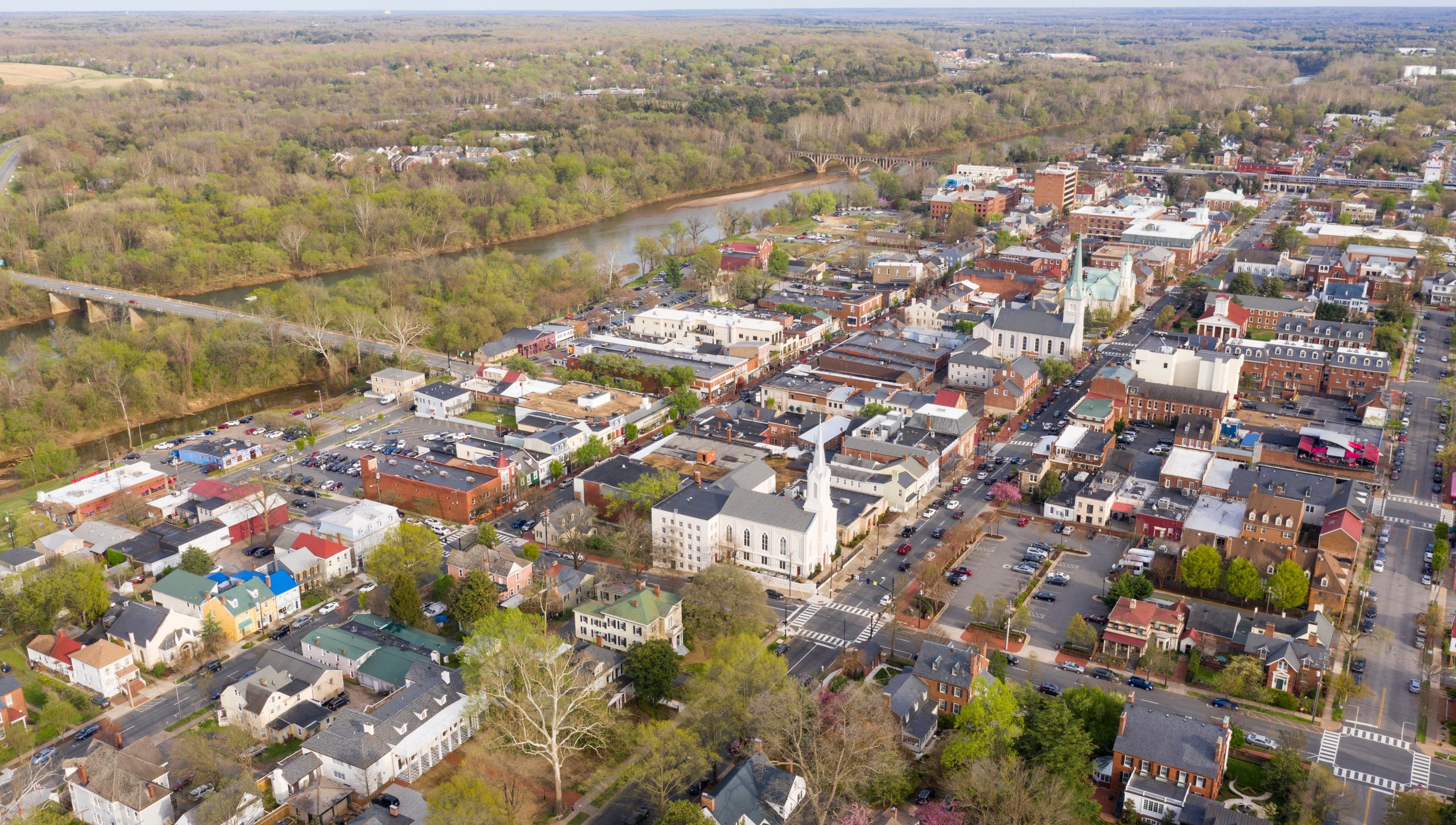
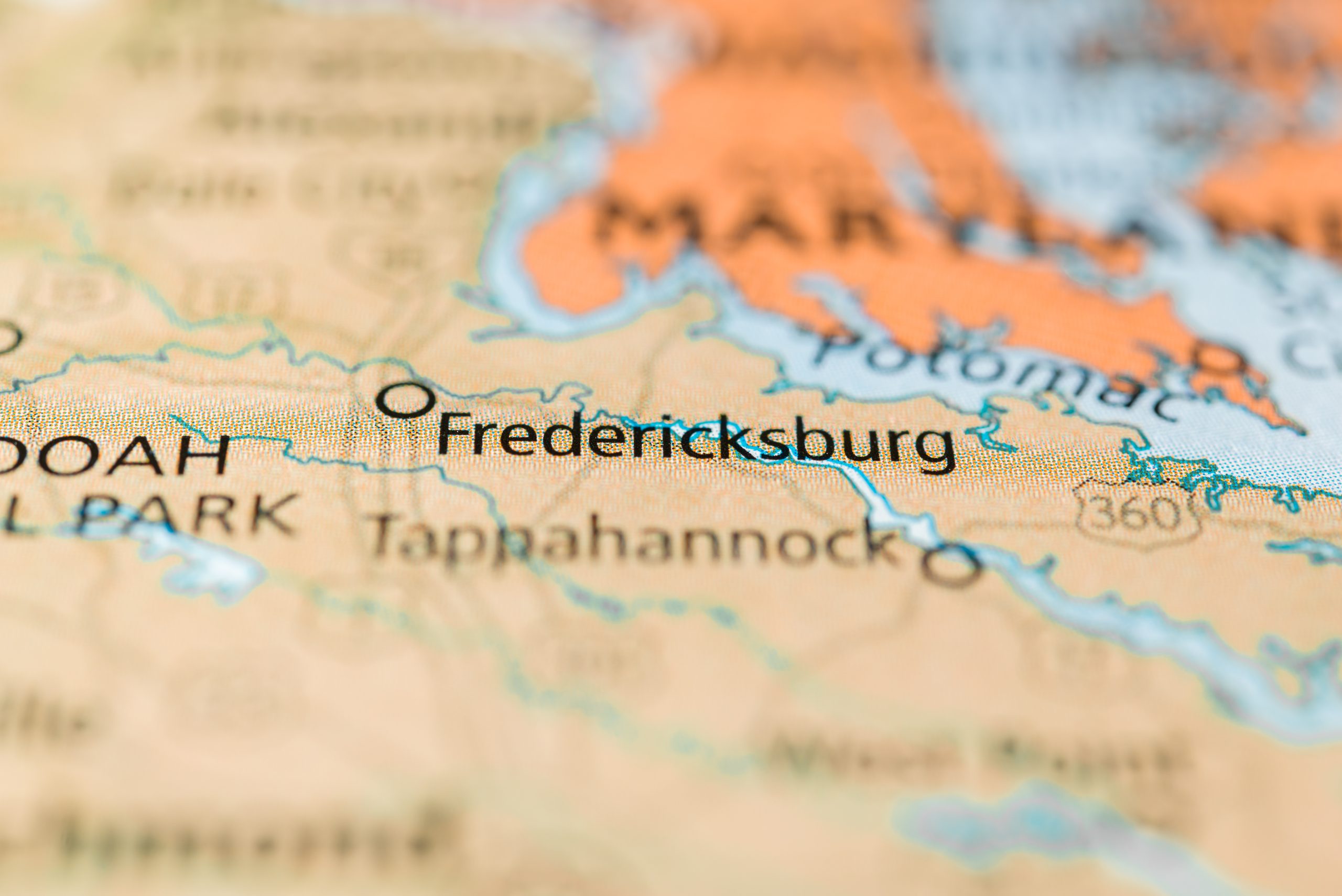
In a significant event preceding Abraham Lincoln's preliminary Emancipation Proclamation, John Washington, an enslaved man from Fredericksburg, took decisive action. It was on April 18, 1862, when Union troops arrived at Falmouth, located across the Rappahannock River from Fredericksburg, and the white residents of the city began fleeing.
John Washington served as a personal enslaved servant to a woman in Fredericksburg, but he also worked as a bartender at the Shakespeare House, a Caroline Street hotel. On that particular evening, as he prepared to leave town, the hotel manager handed Washington a sum of money and instructed him to settle the employees' wages and secure the building.
Instead of carrying out these instructions, once the manager departed, Washington chose a different path. He gathered all the enslaved laborers at the bar and served them drinks, raising a toast to the well-being of the Union forces. Subsequently, he crossed the Rappahannock River, joining the Union side and aligning himself with the countless other enslaved Black individuals who had liberated themselves by seeking refuge in Union-occupied territories. Tim Roberts, the community out...